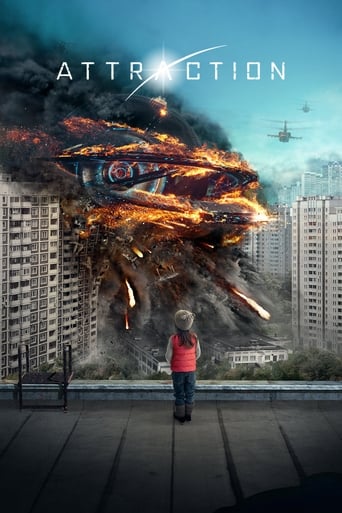
 AttractionПритяжение2017 · Drama, Romance
AsilMedia: Russian-language films, from Office Romance, Kin-dza-dza!, Mimino and Love and Pigeons to Carnival Night, Salyut-7 and Attraction, and where to watch them
192 Russian-language films from 1954 to 2026, chosen for the whole household.
Premieres
Watch them while they are fresh.
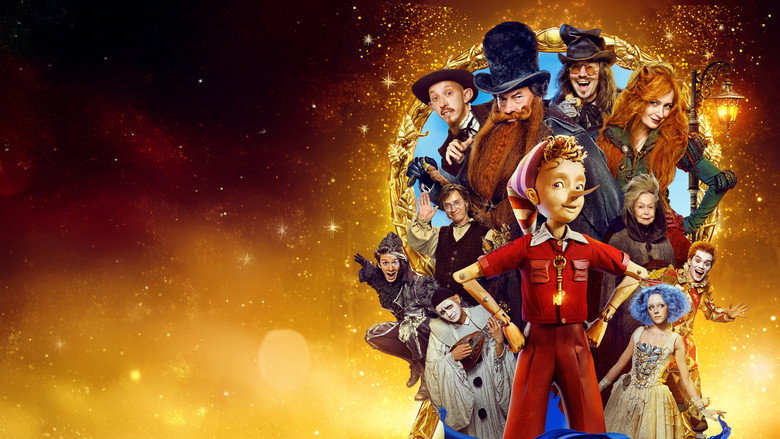 The Golden Key: A New Pinocchio Story2026
 The Wizard of the Emerald City, Part I2025
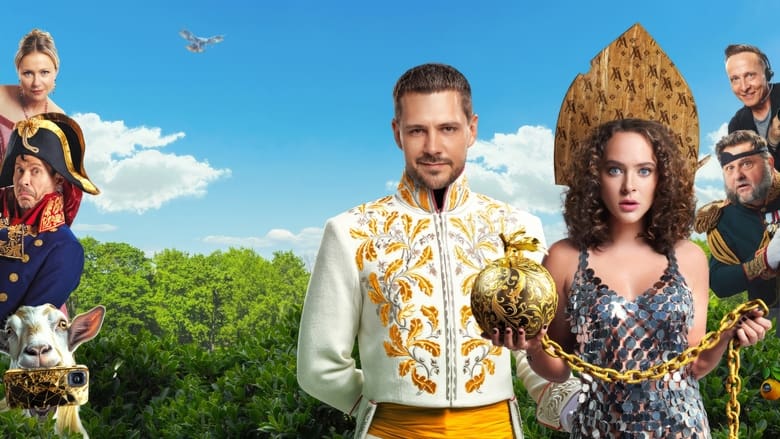 Son of a Rich 22024
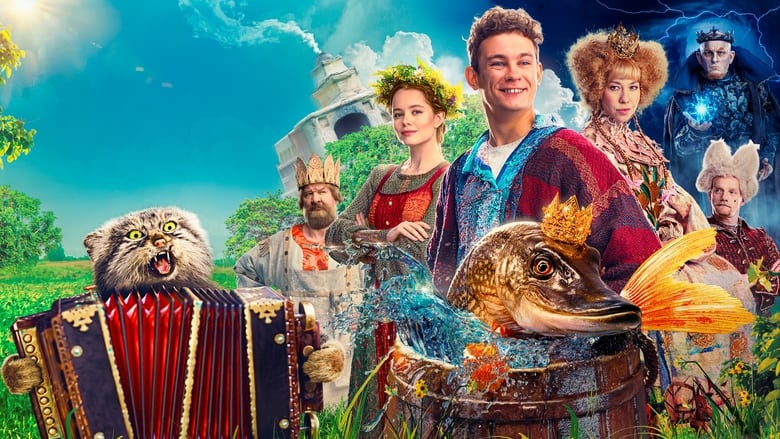 The Wish of the Fairy Fish2023
Most watched
The films opened most often.
AttractionПритяжение2017 · Drama, Romance Salyut-7Салют-72017 · Action, Drama
 MiraМира2022 · Science Fiction, Drama
 LetoЛето2018 · Music, Drama
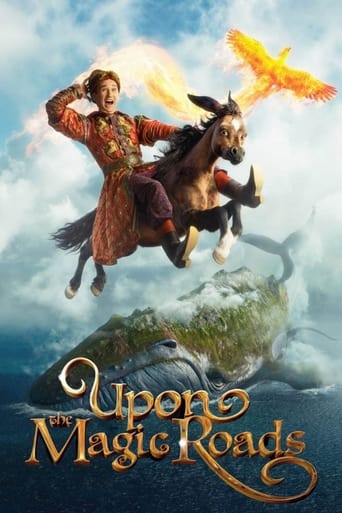 Upon the Magic RoadsКонёк-Горбунок2021 · Adventure, Fantasy
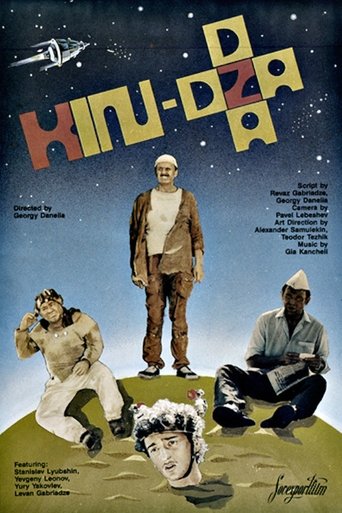 Kin-dza-dza!Кин-дза-дза!1986 · Comedy, Science Fiction
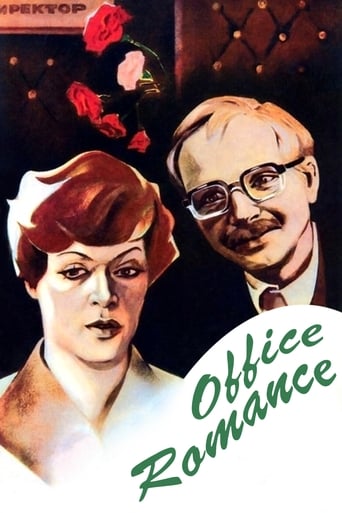 Office RomanceСлужебный роман1977 · Comedy, Romance
 What Men Talk AboutО чём говорят мужчины2010 · Comedy
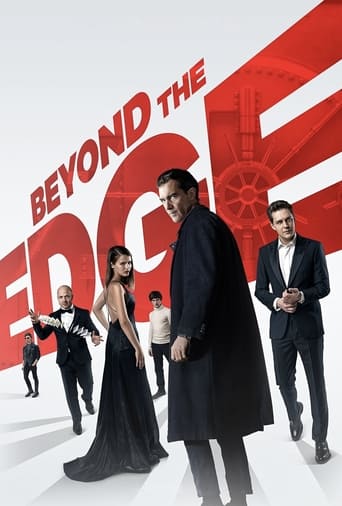 Beyond the EdgeЗа гранью реальности2018 · Adventure, Fantasy
 Three SecondsДвижение вверх2017 · Drama
Soviet screen
Comedies and love stories from 1954 to 1991.
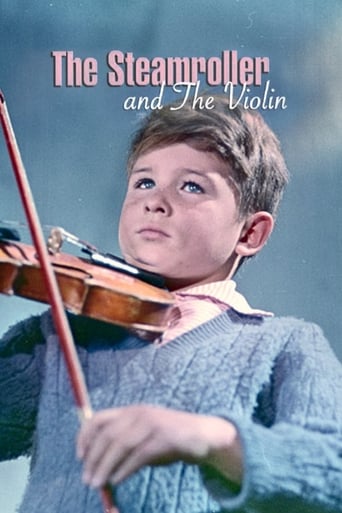 The Steamroller and the ViolinКаток и скрипка1961 · Drama
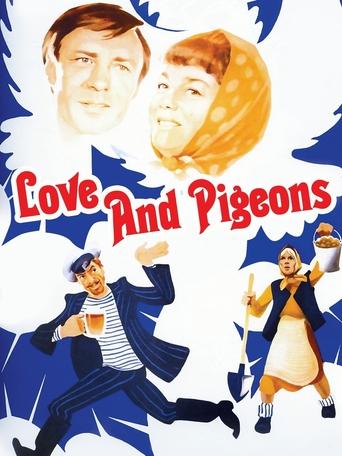 Love and PigeonsЛюбовь и голуби1984 · Comedy, Romance
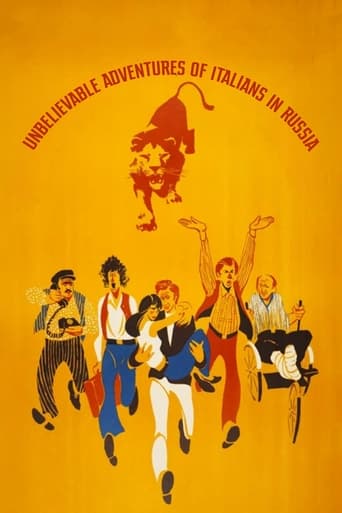 Unbelievable Adventures of Italians in RussiaНевероятные приключения итальянцев в России1974 · Comedy, Adventure
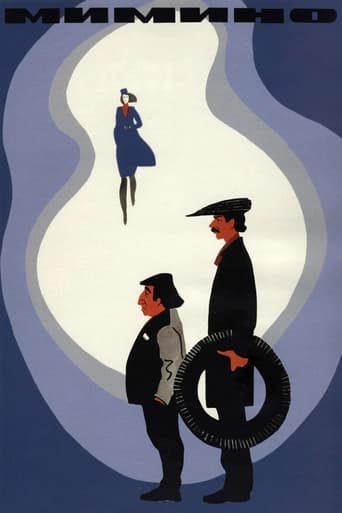 MiminoМимино1977 · Comedy, Drama
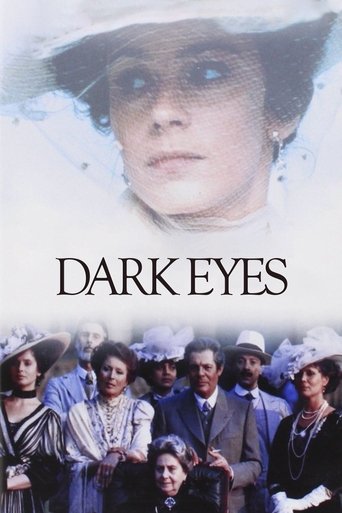 Dark EyesОчи черные1987 · Comedy, Drama
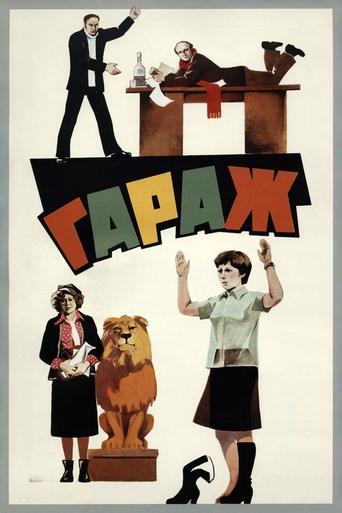 The GarageГараж1979 · Comedy, Drama
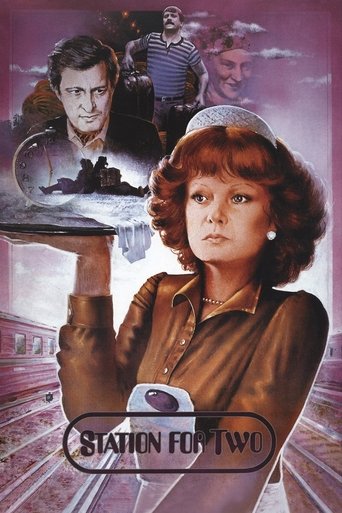 Station for TwoВокзал для двоих1983 · Drama, Comedy
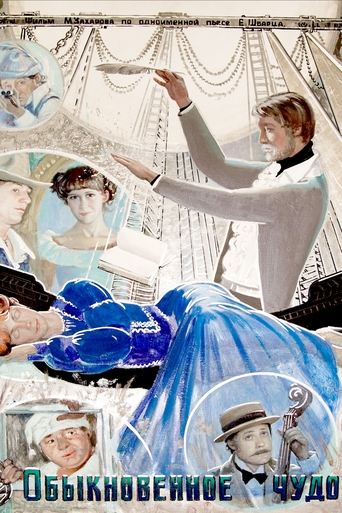 Ordinary MiracleОбыкновенное чудо1978 · Drama, Comedy
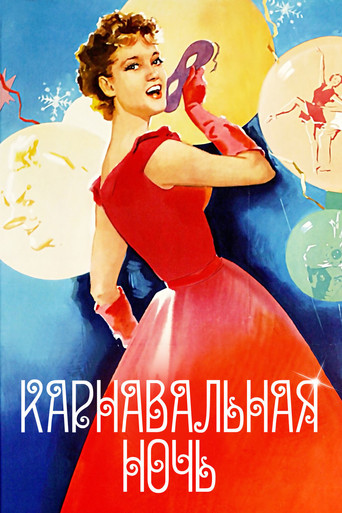 Carnival NightКарнавальная ночь1956 · Music, Comedy
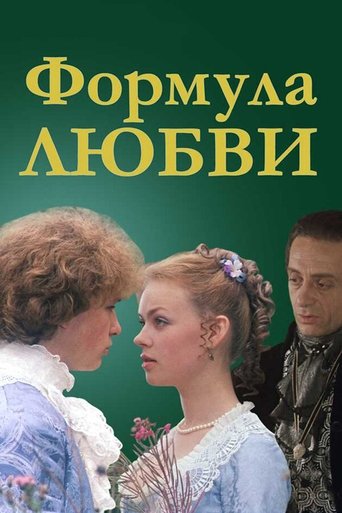 Formula of LoveФормула любви1984 · Romance, Comedy
Fairy tales
Wizards, wishes and talking fish.
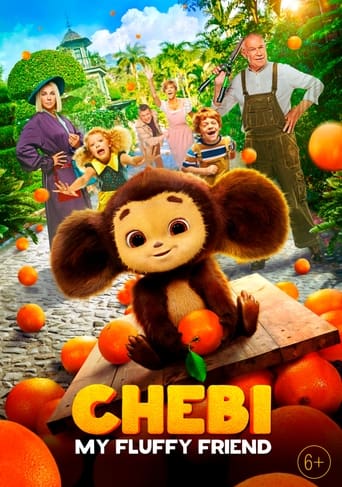 Chebi: My Fluffy FriendЧебурашка2023 · Comedy, Family
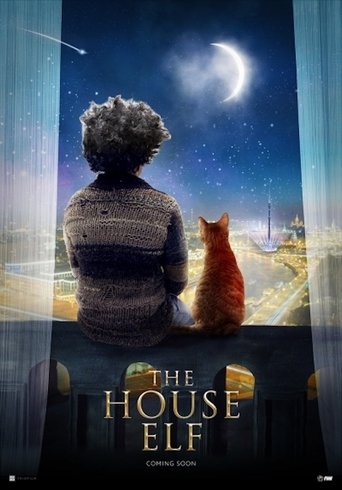 The House ElfДомовой2019 · Fantasy, Family
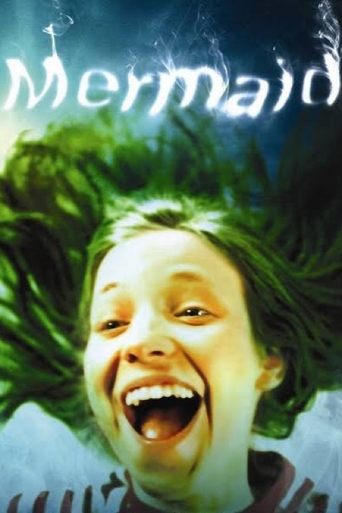 MermaidРусалка2007 · Comedy, Drama
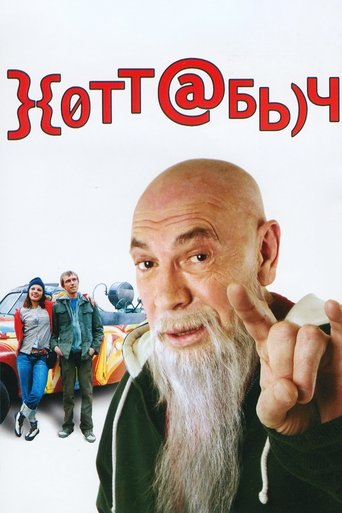 KhottabychХоттабыч2006 · Comedy, Fantasy
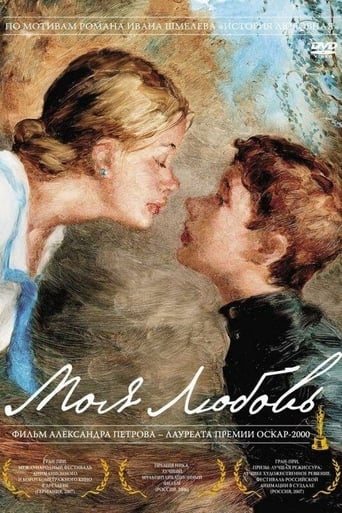 My LoveМоя любовь2006 · Drama, Romance
Space
Rockets, orbits and far planets.
 Gagarin: First in SpaceГагарин. Первый в космосе2013 · Drama, History
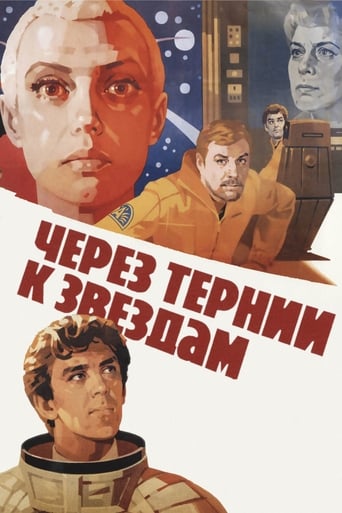 To the Stars by Hard WaysЧерез тернии к звёздам1981 · Science Fiction
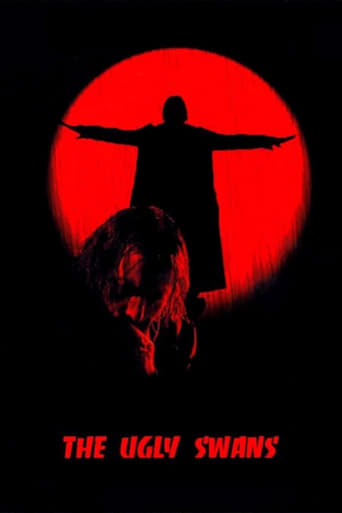 The Ugly SwansГадкие лебеди2006 · Science Fiction, Drama
 The ChallengeВызов2023 · Drama
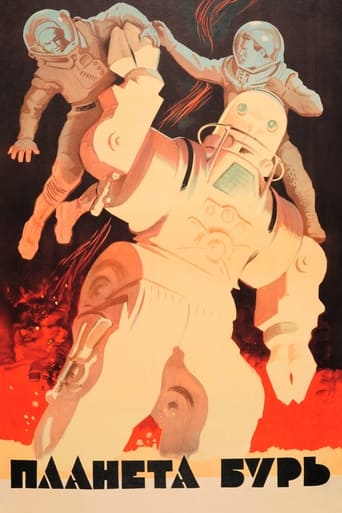 Planet of StormsПланета бурь1962 · Science Fiction
Russian-language films for the whole household: the AsilMedia guide
AsilMedia: Russian-language films, from Office Romance, Kin-dza-dza!, Mimino and Love and Pigeons to Carnival Night, Salyut-7 and Attraction
From Tashkent to Tallinn, three generations grew up with the same films. They were shown on television every holiday, quoted at every dinner table, and sung along to in every kitchen. A line from a comedy of 1977 can still finish a sentence between strangers in Almaty, Riga or Samarkand, and the songs written for those films are known by people who were born long after the studios that made them changed their names. AsilMedia is a guide to 192 Russian-language films from 1954 to 2026, each with its own page, its story, its director and cast, and a Watch now button that leads to the official services carrying it in your country.
The catalogue has been chosen for the whole household. Each film was read through by hand, and the selection favours comedies, love stories, fairy tales, films about school and work, space adventures and adaptations of the great books. Crime stories, horror, films of the battlefield and titles made for adults were left out. What remains is the gentle heart of a very large cinema: the films that grandparents show to grandchildren, and that travel well to viewers who are meeting them for the first time with subtitles.
This guide explains how the collection is arranged, introduces the directors whose names matter most, walks through each menu in turn, and ends with a plan for a first month of viewing and a short list of questions and answers. Every film named here has a page on AsilMedia, and a click on its title opens that page.
A cinema shared by many nations
The films in this collection were made in one language, and by people of many nations. The Soviet studio system stretched across fifteen republics; Mosfilm in Moscow and Lenfilm in Leningrad were the largest, and there were studios in Kyiv, Odesa, Minsk, Tbilisi, Yerevan, Tashkent and elsewhere, each with its own actors and its own accent. A director from Georgia could make a film in Moscow about a pilot from the Caucasus and an Armenian lorry driver, and the whole country would laugh together. That is exactly what Georgiy Daneliya did with Mimino, and it is one reason these films still feel generous.
The audience was enormous. A successful comedy could sell fifty or sixty million tickets in a year, and the best were then repeated on television for decades. Because every family saw the same films, they became a common language. To say that someone behaves like the director in Carnival Night, or to answer a question with a word from Kin-dza-dza!, is to be understood at once by anyone who grew up between the Baltic and the Pacific.
The tone of this popular cinema is particular. It is warm, a little melancholy, fond of songs, and deeply interested in ordinary working people: statisticians, waitresses, teachers, lorry drivers, engineers, pigeon keepers. Its comedies are rarely cruel. Its love stories tend to happen to people past their first youth, in offices and railway stations instead of palaces. And its best directors had a gift for letting a sad truth sit quietly inside a funny scene, so that a film can be watched at ten for the jokes and at forty for everything else.
After 1991 the studios changed, the audience shrank for a time, and then a new commercial cinema grew up, with its own holiday comedies, sports films and space adventures. AsilMedia follows the story across the whole span. There are 46 films from 1954 to 1969, 28 from the 1970s, 41 from 1980 to 1991, 13 from 1994 to 2009, and 64 from 2010 onwards. The left column of every page opens each of these periods with one click.
A word on names. Russian titles are given here in the English form used by TMDB, which is the form the official services generally use too. Where a film is known abroad under more than one name, the search box recognises the original Russian title as well, so typing either will find it.
Eldar Ryazanov
If one director stands for the whole tradition, it is Eldar Ryazanov. He began in documentaries, and in 1956, aged twenty-nine, he was handed a musical comedy about a New Year party at a House of Culture. Carnival Night became the most popular film of its year. A pompous official, played by the great Igor Ilyinsky, wants the evening to be serious and instructive, with a lecture and a pair of elderly clowns; the young staff, led by Lyudmila Gurchenko in her first big part, want music and dancing, and they outwit him number by number. The song about the five minutes before midnight has been sung every December since.
Nine of Ryazanov's films are gathered in a menu of their own. Give Me a Complaints Book follows a young journalist who writes a sharp article about a dreary restaurant and then helps its manager rebuild it as a bright modern café. Zigzag of Success gives Evgeni Leonov one of his first leading roles as a small-town photographer who wins a fortune in the lottery and watches what the money does to his friendships. Unbelievable Adventures of Italians in Russia, made together with an Italian studio, sends a party of treasure hunters racing around Leningrad in pursuit of a buried inheritance, with a real lion, a drawbridge and Andrey Mironov performing his own stunts.
Then come the films on which his reputation rests. Office Romance is set in a Moscow statistical bureau. Anatoly Novoseltsev, a shy clerk bringing up two sons alone, is persuaded by an old classmate to court the director, Lyudmila Kalugina, a stern woman whom the staff call a dry old stick behind her back, in the hope of a promotion. His clumsy attempts turn, to the surprise of both, into real affection. Alisa Freyndlikh and Andrey Myagkov play the pair with such delicacy that the film is rewatched every year by millions, and the transformation of the director from grey suit to radiant woman is among the most loved scenes in the language.
The Garage is his sharpest comedy. The members of a cooperative, all employees of a research institute, are locked overnight in a zoological museum, among stuffed animals, to decide which four of them must give up their promised garage spaces. In ninety minutes and one room, Ryazanov shows what small privileges do to decent people, and how one sleepy voice of conscience can change a meeting.
Station for Two is his most tender film. A pianist is stranded at a provincial railway station after a quarrel over an inedible lunch; the waitress who caused the trouble, played by Gurchenko, slowly becomes the person who matters most to him. The film was shown in competition at Cannes. Promised Heaven, from 1991, is a late and bittersweet fable about a band of poor dreamers on the edge of a city. And Sovershenno seryozno, a comic almanac of 1961, contains short pieces by several young directors, Ryazanov and Leonid Gaidai among them.
Georgiy Daneliya
Georgiy Daneliya, born in Tbilisi and trained as an architect, called his films sad comedies, and the phrase fits. Five of them are here. Thirty-three is the earliest: a modest provincial technologist, played by Evgeni Leonov, is found by his dentist to have thirty-three teeth, and is promptly turned into a scientific sensation, carried off to the capital and celebrated by people who have their own uses for him.
Mimino is the one everybody knows. Valiko, a helicopter pilot in the mountains of Georgia whose nickname means falcon, dreams of flying great airliners, and goes to Moscow to try. In a hotel he is given a room with Rubik, an Armenian lorry driver, and the friendship between these two homesick men, played by Vakhtang Kikabidze and Frunzik Mkrtchyan, is the soul of the film. It won the top prize at the Moscow festival of 1977, and its lines are quoted in three languages.
Tears Were Falling retells a fairy tale in a modern town: a splinter of a troll's mirror lodges in the eye of a kindly man, who from that moment sees only the faults in everyone around him. Kin-dza-dza! is stranger still, and is described in the section on space below. Nastya, from 1994, is a gentle fable in which a shy girl who works in a stationery shop is granted a wish and learns what beauty is worth.
Comedy
Comedy is the largest menu on AsilMedia, with 109 films, and it reaches far beyond the two masters above. Leonid Gaidai, the most popular Soviet comedy director of all, is represented by Obsession, the short film in which the student Shurik and a girl named Lida revise for an examination so intently that they spend a whole day together while barely looking up from the page; by SportLotto - 82, a chase along the southern coast after a winning lottery ticket tucked inside a paperback; and by Dangerous for Your Life!, in which a conscientious citizen stands guard over a fallen power cable while the whole town swirls around him.
The holiday comedy is a form of its own. Three Plus Two puts three young men in a tent on a Crimean beach and then sends two young women to claim the same spot; the truce that follows is one of the sunniest films of the 1960s. Gas Station Queen gives the irrepressible Nadezhda Rumyantseva a job at a roadside filling station in Ukraine, where she reforms the service and the drivers with equal energy. Seven Old Men and One Girl hands a newly qualified sports instructor a health group of elderly gentlemen instead of the champions she hoped for. Be My Husband sends a children's doctor, played by Andrey Mironov, to a crowded seaside town, where a stranger with a small daughter asks him to pose as her husband so that a landlady will rent them a room.
The 1980s brought a run of warm comedies about women looking for happiness. In The Most Charming and Attractive, an engineer named Nadya is taken in hand by a friend who has read some sociology and promises to make her irresistible to the office heart-throb. In Carnival, Irina Muravyova plays a girl from a small town who arrives in Moscow certain she will be an actress. Offered for Singles is set in a hostel for women workers, where a kind-hearted resident finds husbands for everyone but herself, and The Blonde Around the Corner pairs a dreamy astrophysicist with a formidable shop assistant.
Love and Pigeons, directed by Vladimir Menshov, is the best loved of them all. Vasily keeps pigeons in a Siberian village; an injury at work earns him a trip to a seaside resort, and what happens there turns his noisy household upside down, until love, family and the pigeons put it right again. The dialogue, taken from a stage play, has passed almost entirely into everyday speech.
Among the quieter comedies, The Long Recess follows a young historian who takes a post at an evening school and finds that his pupils are older and wiser in life than he is. In The Unamenables, a tiny, cheerful factory worker is given the task of reforming two idle young men. Adventures of a Dentist is a fable about a young man with a miraculous gift for painless treatment and the envy it provokes. Neptune's Feast is a short, sharp farce about a village that invents an ancient winter tradition to impress foreign visitors.
Modern comedy has its own stars. The four writers and actors of the theatre company Kvartet I made Radio Day, set during one chaotic broadcast at a Moscow station, and then What Men Talk About, a road film in which four friends drive from Moscow to Odesa and talk, wittily and at length, about everything. Its sequels What Men Still Talk About and What Men Talk About 3 are here too, together with Elections Day 2. Kitchen in Paris carries the cast of a hit television comedy about a restaurant to France. I'm Losing It follows a young cook from Nizhny Novgorod through a year of change, and the actress really did transform herself during the shoot. Lucky Trouble has a provincial teacher mistaken for a football coach on the way to his own wedding. And Son of a Rich 2 continues the most successful Russian comedy of recent years.
Romance
The Romance menu holds 76 films, and the love stories in it are of a particular kind. They happen in trams and canteens, on building sites and at evening classes, and their heroes are seldom glamorous. Spring on Zarechnaya Street set the pattern in 1956. A young teacher of literature arrives in a steel town to take an evening class of workers; one of them, a confident young smelter, falls in love with her, and has to discover that she lives in a different world from his. The song from the film is still sung, and the street in Zaporizhzhia where it was shot now carries its name.
Three Poplars on Plyuschikha Street, directed by Tatyana Lioznova, is barely eighty minutes long and contains one of the most famous scenes in Soviet cinema. A married countrywoman comes to Moscow to sell ham at the market; a taxi driver takes her across the city, it rains, they listen to a song on the radio, and something passes between them that neither will forget. Tatyana Doronina and Oleg Efremov play it with extraordinary restraint. Lioznova's earlier Yevdokiya, about a couple raising foster children, is here as well.
The young directors of the 1960s brought a new, looser style. July Rain by Marlen Khutsiyev follows a Moscow woman of twenty-seven through a summer of conversations, parties and telephone calls, as she comes to see that the man she is to marry is hollow. A Long Happy Life, the only film directed by the poet and screenwriter Gennady Shpalikov, describes a single day and evening in which two travellers meet and imagine a future. Brief Encounters and The Long Farewell are the first two features of Kira Muratova, intimate and musical, about a busy official, a wandering geologist, and a mother who is learning to let her grown son go; her later Getting to Know the Big Wide World finds romance on a building site.
First love has its own shelf. But What If This Is Love? caused a real debate in 1961 with its story of two school pupils whose innocent letters are discovered by the adults around them. The Wild Dog Dingo took the prize for children's films at Venice with a story of a girl in the Far East whose father returns with a new family. The School Waltz and Could One Imagine? brought the theme to the next generation; the second, a modern echo of Romeo and Juliet set in a Moscow housing estate, was the most watched film of 1981 among the young.
For grown-ups there are the autumnal romances. The Mechanic Gavrilov's Beloved Woman spends a whole day with Lyudmila Gurchenko as she waits outside the registry office in Odesa for a bridegroom who is late. Lonely Woman Seeks Life Companion begins with a small advertisement pasted on a wall by a dressmaker and answered by a former circus acrobat. Iz zhizni otdykhayushchikh watches two reserved people find each other at a seaside boarding house in late autumn. Once Upon a Time Twenty Years Later brings a mother of ten to her class reunion, where each old classmate must say what life has given them.
Later decades add their own. The Barber of Siberia by Nikita Mikhalkov is a lavish romance set in 1885, in which an American visitor, played by Julia Ormond, meets a young cadet of the military academy, played by Oleg Menshikov; it was the most expensive Russian film of its day. Piter FM is a light, sunlit story of a radio presenter and a young architect in Saint Petersburg who keep failing to meet after one finds the other's telephone. The Stroll follows three young people on foot across the same city in what feels like a single unbroken walk. Ice turns the story of a figure skater from Irkutsk and a hockey player into a musical, with the frozen surface of Lake Baikal as its stage, and Ice 2 carries the family forward. Mermaid by Anna Melikyan, which won the directing prize for world cinema at Sundance, is a bright, wry fable about a girl from the seaside who believes she can make wishes come true.
Drama
The Drama menu, with 90 films, is where the collection is most thoughtful. We'll Live Till Monday by Stanislav Rostotsky covers three days in an ordinary Moscow school. A history teacher, played by Vyacheslav Tikhonov, is weary of easy answers; a young colleague who was once his pupil is in love with him; and a boy in the ninth year writes, in an essay on happiness, a single sentence that the whole country learned by heart: happiness is when you are understood. Rostotsky also made White Bim Black Ear, the story of a setter with one black ear who searches a city for his master. It was nominated for an Academy Award and is one of the great films about loyalty, though it is a sad one, and parents may wish to watch it alongside younger children.
Nine Days of One Year by Mikhail Romm changed the way scientists were shown on screen. Two physicists, one driven and one ironic, and the woman who loves them both, argue about what their work is for; Aleksey Batalov and Innokentiy Smoktunovskiy gave the performances of their careers. Taming of the Fire tells, in fictional form, the life of the chief designer who built the first rockets, and was filmed with real launches. Monologue by Ilya Averbakh is a portrait of an elderly professor, his daughter and his granddaughter sharing one Leningrad flat.
Several films look at the young with unusual honesty. Scarecrow, directed by the actor Rolan Bykov, is about a new girl in a small-town class who takes the blame for a friend and is shunned by her classmates; Kristina Orbakayte, aged eleven, carries the film, and it remains the finest Russian film about school and conscience. The Steamroller and the Violin is the diploma film of Andrei Tarkovsky, forty-five minutes about a small boy who plays the violin and the road worker who befriends him, already full of water, light and reflections. The Italian follows a six-year-old from a children's home who, on the eve of adoption by a couple from Italy, sets out alone to find his own mother.
The village and the provinces have their chroniclers. There Is Such a Lad is the first feature of the writer Vasiliy Shukshin, about a cheerful lorry driver on the mountain roads of Altai, and Happy-Go-Lucky is his comedy of a tractor driver and his wife on their first journey to the sea. When the Trees Were Tall gives the clown Yuriy Nikulin a serious part as an idler who presents himself to an orphaned girl as her father and is changed by her trust. White Dew is a much loved Belarusian film about an old villager and his three very different sons as the town swallows their village. Kin, by Nikita Mikhalkov, sends a countrywoman, played by Nonna Mordyukova, to visit her daughter in the city. Cloud Heaven begins with a bored young man telling his neighbours, for something to say, that he is leaving for the Far East, and follows what happens when the whole settlement takes him at his word.
The Beginning by Gleb Panfilov is about a weaver in a provincial town who acts in an amateur theatre and is chosen to play Joan of Arc in a film; Inna Churikova's performance won prizes at Venice. Height follows the steel erectors who build a blast furnace, and gave the country one of its favourite songs about the men who work high above the ground. The Elder Son, from the play by Aleksandr Vampilov, lets two students who have missed the last train talk their way into a stranger's flat by claiming that one of them is his long-lost son; Evgeni Leonov, as the father who believes them, is unforgettable.
Recent drama is here in good number. Three Seconds recreates the Olympic basketball final of 1972 and became the most successful Russian film of its time at the box office. The Coach is about a footballer who leaves the national side to train a small club by the sea. Territory follows geologists searching for gold in the far north-east in 1960, with landscapes filmed on the Putorana plateau. Dovlatov spends six days of 1971 with a young writer in Leningrad, and The Bolshoi follows a girl from a mining town to the ballet school of the great theatre.
Fairy tales and family films
Russian cinema has loved fairy tales since its earliest days, and the Fairy tales menu gathers 34 films for family viewing. The classics come first. Scarlet Sails, directed by the master of screen magic Aleksandr Ptushko from the novel by Alexander Grin, tells of Assol, a poor girl in a seaside village who is promised as a child that a prince will come for her in a ship with scarlet sails, and of the young captain who hears the story and decides to make it true. Anastasiya Vertinskaya was fifteen when she played the part.
Ordinary Miracle, made for television by Mark Zakharov from the play by Evgeny Schwartz, is a fairy tale for adults that children enjoy too. A wizard, to amuse himself, has turned a bear into a young man, who will become a bear again if a princess kisses him; then a king and his daughter arrive at the wizard's house. Oleg Yankovskiy, Aleksandr Abdulov and Evgeni Leonov lead a marvellous cast, and the songs are among the finest written for the screen. Zakharov's Formula of Love is its companion: the famous magician Count Cagliostro, travelling through the Russian countryside in the eighteenth century, promises a dreamy young landowner to bring a statue to life, and meets a kind of feeling that his science has left out of account.
Aladdin and His Magic Lamp is a colourful Soviet telling of the Arabian tale, filmed in the 1960s with a splendidly weary genie. The City of Masters is a legend of a free town of craftsmen and the hunchbacked sweeper who becomes its hero. The Princess and the Pea weaves four stories by Hans Christian Andersen into one journey. Petia and Little Red Riding Hood is a short cartoon of 1958 in which a modern schoolboy climbs into the screen to warn the heroine about the wolf.
The last few years have brought a great revival of fairy-tale films, made with the full resources of modern studios. Upon the Magic Roads is based on the verse tale of the Little Humpbacked Horse: Ivan, the youngest of three brothers, wins a small, wise, long-eared horse as a friend, and with its help carries out the impossible errands of a foolish tsar. The Wish of the Fairy Fish retells the story of Emelya, the idler who catches a magic pike and is granted three wishes. The Wizard of the Emerald City, Part I films the Russian version of the tale of a girl and her dog carried by a storm to a magic land, as generations have read it in the book by Alexander Volkov. The Golden Key: A New Pinocchio Story returns to the wooden boy Buratino. Red Riding Hood imagines the heroine a few years older.
For the youngest viewers there is Chebi: My Fluffy Friend, the film of 2023 about the big-eared creature Cheburashka, found in an orange grove and adopted by a gruff gardener; it was seen by more people in cinemas than any Russian film before it. The House Elf concerns the small household spirit that guards a Moscow flat and the family who move in. Khottabych updates a much loved story: a young programmer buys an old jug online and finds a genie three thousand years of age inside. Robo is about a boy and a rescue robot that has run away from the laboratory. Celestial Camel follows a shepherd's son across the Kalmyk steppe in search of a rare white camel calf. My Love is something apart: a half-hour film painted in oils on glass by the animator Aleksandr Petrov, about a schoolboy's first love in old Moscow, nominated for an Academy Award.
New Year films
In the Russian-speaking world the great family holiday is New Year, and a film for the last evening of December is a tradition in itself. It began with Carnival Night. Half a century later came Six Degrees of Celebration, in which a chain of small stories in cities across many time zones is tied together by one girl's wish; it was so popular that a new chapter followed almost every winter, and Six Degrees of Celebration 2, Six Degrees of Celebration 3, Six Degrees of Celebration 6 and Six Degrees of Celebration 8 are all here. The Irony of Fate: Continuation revisits the heroes of the most famous New Year film of all, thirty years on. The New Year's Rate Plan connects five strangers through a magical telephone call at midnight, and Crazy New Year! is a recent family comedy for the same evening.
Space
The country that launched the first satellite and the first cosmonaut also made some of the first serious films about space travel, and the Space menu holds 21 titles. The Sky Calls, from 1959, imagines an expedition to Mars with models and painted backgrounds of great beauty. Planet of Storms, made in 1962 by Pavel Klushantsev, lands a crew on Venus with a walking robot and a flying car; its effects were so advanced that the footage was bought and reused abroad, and later film-makers have acknowledged what they learned from it. Encounter in Space and Andromeda Nebula continue the hopeful mood of that decade, the second from the celebrated novel by Ivan Efremov.
For younger viewers there was The Great Space Journey, in which three teenagers are chosen for a long flight, and To the Stars by Hard Ways, the strange and touching story of Niya, a girl found on a silent spacecraft and brought to Earth. Return from Orbit was partly filmed aboard a real space station. The End of Eternity adapts the novel by Isaac Asimov about guardians who travel between centuries.
And then there is Kin-dza-dza!. A Moscow foreman goes out to buy bread and pasta, stops to help a barefoot stranger on the street, presses a button on a small device, and finds himself, with a young Georgian student carrying a violin, in the middle of a desert on the planet Plyuk. The inhabitants read minds, speak a language of very few words, rank each other by the colour of their trousers, and prize ordinary matches above everything. Georgiy Daneliya's film puzzled audiences in 1986 and then became the most quoted science fiction film in the language; its greeting, a single syllable with a small bow, is still exchanged between friends.
Modern studios have returned to space with great confidence. Salyut-7 dramatises the mission of 1985 in which two cosmonauts flew to a silent, frozen orbital station, docked with it by hand and brought it back to life; the weightless scenes are remarkable. Gagarin: First in Space tells the story of 12 April 1961 and of the young pilot chosen for the flight. The Challenge went further than any film before it: its orbital scenes were shot aboard the International Space Station by the director and leading actress, who trained and flew for the purpose. Mira is about a girl in Vladivostok and her father on a station overhead, and Attraction brings a visitor from another world to a Moscow suburb.
Adventure
The Adventure menu has 29 films. The Red Tent, the last work of Mikhail Kalatozov, is a grand co-production about the airship expedition of 1928 to the North Pole and the international rescue that followed, with Sean Connery as the explorer Roald Amundsen, Peter Finch and Claudia Cardinale. Air Crew, directed by Aleksandr Mitta in 1980, was the first Soviet film of its kind: the first half follows the private lives of three airmen, the second their flight to an oil town shaken by an earthquake. More than seventy million people saw it in cinemas. 713th Asks for Landing and Express on Fire are tense stories of an airliner and a night train in which ordinary passengers and railwaymen rise to the moment.
Life and Amazing Aventures of Robinson Crusoe is a faithful, sunlit film of the novel, shot on the Black Sea coast and the Kuril Islands with Leonid Kuravlyov as the castaway. True Friends sends three old schoolmates, now an architect, a surgeon and an animal breeder, down a river on a raft to keep a boyhood promise. Lord of the Wind follows the traveller Fyodor Konyukhov on his record-breaking solo flight around the world by balloon. Raiders of the Lost Library is a cheerful treasure hunt for the legendary book collection of a tsar.
Books on screen
Russian literature has been filmed again and again, and the Books on screen menu collects 28 adaptations. Nikita Mikhalkov made two of the finest. An Unfinished Piece for Player Piano is drawn from an early play by Anton Chekhov: on a summer afternoon at a country house, a schoolteacher meets the woman he loved as a student and sees, all at once, what he has made of his life. Oblomov, from the novel by Ivan Goncharov, is the portrait of a gentle landowner who prefers his dressing gown and his sofa to the busy world, and of the energetic friend who tries to wake him; Oleg Tabakov is perfect in the part. Mikhalkov's Dark Eyes weaves several Chekhov stories into one, and Marcello Mastroianni was named best actor at Cannes for it.
Andrei Konchalovsky filmed Uncle Vanya with Innokentiy Smoktunovskiy and Sergei Bondarchuk, in a version many consider the best ever made of the play, and A Nest of Gentry from the novel by Ivan Turgenev, all light through leaves and old rooms. The Idiot by Ivan Pyryev covers the first part of the novel by Fyodor Dostoevsky, with Yuriy Yakovlev as the prince. The Overcoat is the story by Nikolai Gogol about a humble copying clerk and his new coat, directed by the actor Aleksey Batalov with Rolan Bykov in the leading role.
Shakespeare was a favourite of the Soviet screen. Twelfth Night of 1955 is a joyful, fast-moving version in which Klara Luchko plays both twins, and The Taming of the Shrew of 1961 preserves a celebrated stage production with Lyudmila Kasatkina. From the Spanish and French stage come Don Cesar de Bazan, a musical of cloaks and guitars with Mikhail Boyarsky. From modern authors come The Ugly Swans, after the brothers Strugatsky, and Farewell, after the novel by Valentin Rasputin about an island village in Siberia in its last summer before a reservoir covers it.
Music
Songs run through almost every film here, but twelve are gathered in the Music menu because music is their subject. We're from Jazz, the film that made the name of Karen Shakhnazarov, follows a student in Odesa in the 1920s who is expelled from music college for his love of jazz and forms a band with two street musicians and a saxophonist; their road to Moscow is long and very funny. His Winter Evening in Gagry is about an old tap dancer, once famous and now forgotten, and the young man who begs for lessons. Come Tomorrow... tells of a girl from a Siberian village with a huge, untrained voice who arrives in Moscow to study singing; Yekaterina Savinova, who played her, sang the part herself.
Hipsters is a full-scale musical about the young people of Moscow in the 1950s who wore bright suits, combed their hair high and danced to forbidden records; the score reworks rock songs of later decades into big-band numbers. Leto, shown in competition at Cannes, recalls one Leningrad summer at the start of the 1980s and the friendship between two young rock musicians, filmed in black and white with bursts of drawing and colour. Primorsky Boulevard is a light musical comedy of Odesa in the 1980s. The Bolshoi belongs here as well for its ballet, and Carnival Night for its orchestra and its songs.
School and work
Many of these films are set where people spend their days: in classrooms, institutes, depots and factories. That setting gives them a texture that viewers from other countries often find fascinating, a record of how ordinary life looked and sounded. The Garage and Office Romance are office films. Traffic Officer sets an honest inspector against an important local figure who expects special treatment on the road. You to Me, Me to You contrasts twin brothers, a fashionable bath attendant in Moscow and a humble fisheries inspector on a river. Live in Joy is about a village inventor and his improvements to the combine harvester. The Boys from Leningrad is a football comedy from 1954 about two brothers in one team. Children of Don Quixote concerns a doctor at a maternity hospital, his three sons and his very high principles. And The Seven Brides of Lance-Corporal Zbruyev sends a young man, just home from his service, around the country by train to meet the girls who wrote to him.
Using AsilMedia
The page is arranged like the site it is named for. A dark column on the left carries the menus: the main sections first, then the genres, then the two directors with menus of their own, then the years. The teal bar across the top holds the search box. Under it runs a strip of letters; each letter opens the list of films whose titles begin with it, and All opens the complete alphabetical index of 192 titles. On a telephone the left column folds away behind the button with three lines at the top of the screen.
Every film has a page of its own. At the top are the poster, the title in English and in Russian, the year, the running time and the genres. Below come the story, the director and the leading actors. The Watch now button sits beside the poster. Choose your country from the list, press the button, and JustWatch opens with the services that carry that film where you live: subscription services, rental and purchase shops, and free services supported by advertising. Many of the older films in this collection have been restored by the studios that made them and placed on official channels with subtitles in several languages, so it is worth looking at the free column first.
My List keeps the films you mean to watch. Press Add to My List on any film page, and the title is saved in your own browser; the My List link in the left column shows everything you have saved, and a button there saves the list as a small file that you can carry to another device. The list is private to you and asks for neither an account nor a password.
Watching with subtitles
Almost all of these films are offered by official services with English subtitles, and many with Uzbek, Kazakh, Turkish, German or French as well. A few suggestions make first viewings easier. The comedies of the 1960s move quickly and depend on rhythm more than on wordplay, so Three Plus Two, Gas Station Queen and Obsession are comfortable places to start. The films of Ryazanov and Daneliya are richer in dialogue; it helps to watch them when you can give them your full attention, and they repay a second viewing. Musicals such as Hipsters and Ice carry their meaning in song and movement, and fairy tales such as Upon the Magic Roads are easy for children to follow even when the subtitles go by quickly.
Learners of Russian have long used these films as a classroom. The speech in Office Romance, Mimino and Love and Pigeons is everyday, clear and endlessly quotable, and teachers often recommend watching once with subtitles in your own language and then again with Russian subtitles switched on. The page for each film lists its original title in Cyrillic, which is useful when searching a service that files it under that name.
A first month
For a newcomer, here is one way to spend four weeks with the collection, two films a week.
In the first week, begin with laughter: Carnival Night on one evening, for its songs and its sixty-year-old jokes that still land, and Office Romance on another. Together they show what Ryazanov could do at the start of his career and at its height.
In the second week, travel. Mimino moves between the mountains of Georgia and the streets of Moscow, and Love and Pigeons between a Siberian village and the southern sea. Both are about people who leave home and find that home is what they wanted.
In the third week, look up. Planet of Storms shows how space was imagined in 1962, and Salyut-7 how a real mission of 1985 looks with the tools of today. Add Kin-dza-dza! if you are ready for something wonderfully odd.
In the fourth week, bring the family together for Ordinary Miracle or Upon the Magic Roads, and end with We'll Live Till Monday, which may be the wisest film here. After that the menus are yours to explore: the Top rated list holds the 40 films with the highest scores from viewers, and the year menus let you move through seven decades in order.
How the films were chosen
Every title on AsilMedia was selected by a person and checked by hand. The starting point was the full list of Russian-language feature films recorded by TMDB with a poster, a still image and a written description. From that list we set aside crime stories, horror, films of the battlefield, political chronicles and anything made for adults. We then read each remaining description and looked at the themes attached to it, and kept the films that a family could watch together or that an adult could watch with a parent in the room.
The result is a selection with a clear character: 109 comedies, 90 dramas, 76 love stories, 34 fairy tales and family films, 29 adventures and 21 films about space, with many titles counted under more than one heading. Films from the Soviet studios make up a little over half, and films from 2010 onwards a third. Each film appears on AsilMedia alone among our sites, so the catalogue is its own. Posters, cast lists and descriptions come from TMDB, and the Watch now links are provided by JustWatch, which records where each film is officially available country by country.
Questions and answers
Questions
What is AsilMedia?
AsilMedia is a guide to 192 Russian-language films from 1954 to 2026, chosen for the whole household. Each film page gives the story, year, director and cast, and a Watch now button that leads to the official services carrying the film in your country.
Which film should I watch first?
Start with Carnival Night, Office Romance or Mimino. The first-month plan in the guide suggests an order for eight films.
Is the catalogue suitable for families?
Yes. Every film was screened by hand, and the selection keeps to comedies, love stories, fairy tales, space adventures, school and work stories and adaptations of classic books.
Are the films available with subtitles?
Nearly all official services offer English subtitles, and many offer several other languages. The services listed for each film show what they provide.
Who are Eldar Ryazanov and Georgiy Daneliya?
They are two of the best loved comedy directors of the Soviet screen. Nine films by Ryazanov and five by Daneliya have menus of their own in the left column.
Are there films for young children?
Yes. The Fairy tales menu holds 34 films, among them Chebi: My Fluffy Friend, Upon the Magic Roads and The Wizard of the Emerald City, Part I.
How does My List work?
Press Add to My List on any film page. The list is kept by your own browser, free of charge, and the My List link in the left column opens it.
Does AsilMedia host films or downloads?
AsilMedia is a guide only. Every Watch now button leads to an official, licensed service.
